
 AQ
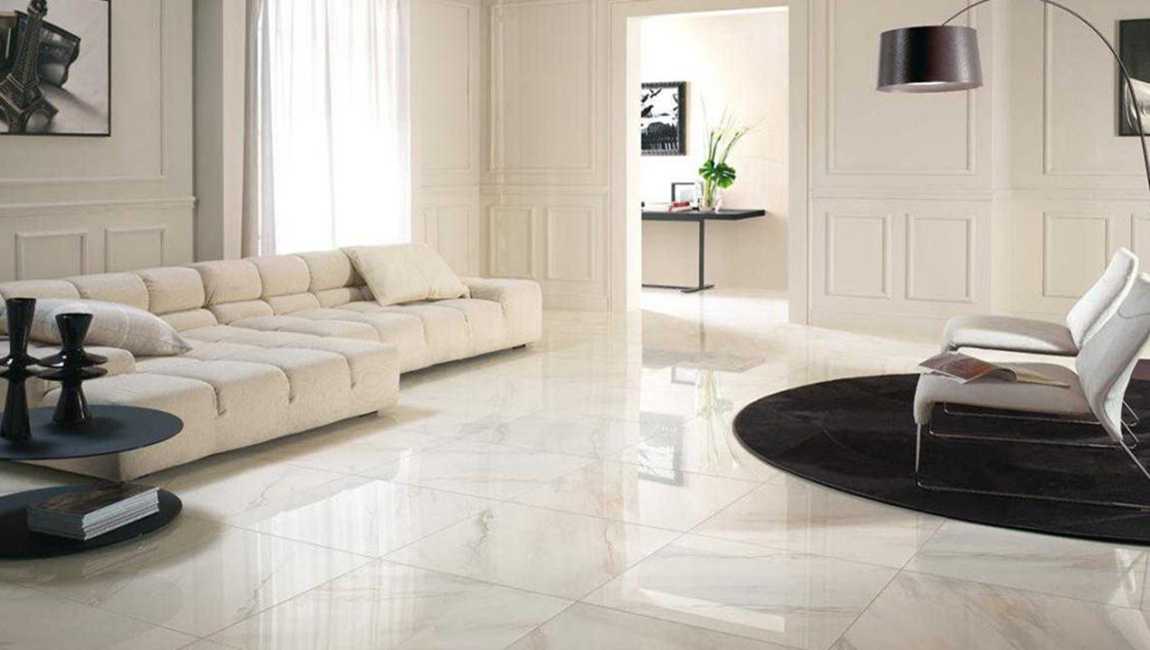
When it comes to interior design, few elements have the transformative power of tile. Beyond merely covering a floor or wall, modern tile patterns can inject depth, character, and personality into any space. From geometric designs to organic textures, tiles have evolved from functional necessities to artistic statements. Today’s homeowners and designers are exploring ways to use tiles not just for durability and ease of maintenance, but to make spaces visually captivating and emotionally engaging.
The Evolution of Tile Design
Historically, tiles were primarily functional—protecting surfaces and making cleaning easier. Early civilizations, such as the Egyptians, Mesopotamians, and Romans, introduced decorative tiles that reflected culture and status. Fast forward to the 21st century, tile design has become a central medium for expressing creativity and style. Modern tile patterns focus on a blend of aesthetics, texture, and spatial perception, creating dynamic interiors that feel both personal and sophisticated.
With the advancement of manufacturing techniques, tiles now come in an astonishing array of materials—ceramic, porcelain, natural stone, glass, cement, and even recycled composites. These materials allow for the creation of intricate patterns, subtle textures, and bold visual statements, giving designers the flexibility to tailor surfaces to the mood and function of each room.
Types of Modern Tile Patterns
Modern tile patterns can range from simple to complex, each offering a unique way to enhance space. Here are some of the most popular styles that add depth and character:
1. Geometric Patterns
Geometric patterns are a hallmark of contemporary design. Triangles, hexagons, chevrons, and diamonds create structured, symmetrical layouts that feel orderly yet visually intriguing. Hexagon tiles, for example, add depth because their interlocking shape creates a sense of continuity and rhythm, while chevron patterns can elongate a hallway or make a room appear larger. Using contrasting colors or textures in geometric patterns amplifies their visual impact, creating a layered effect that draws the eye.
2. Herringbone and Chevron
Herringbone and chevron patterns are timeless yet have found new life in modern interiors. Traditionally used in wood flooring, these patterns now translate beautifully into tiles. The staggered, interlocking lines of herringbone introduce movement and flow to otherwise static spaces, while chevron’s pointed design can add elegance and sophistication. Both patterns work well on floors, walls, and even backsplashes, offering depth through directional visual cues.
3. Mosaic and Pixel Designs
Mosaic tile patterns have a rich history, but modern interpretations focus on minimalism and subtle textures. Small tiles arranged in pixelated or gradient designs create a sense of dimension and artistry. Gradients, where shades gradually shift from dark to light, can make walls appear sculpted, giving an almost three-dimensional effect. These designs are particularly effective in bathrooms and kitchens, where splashbacks and shower walls benefit from a visual focal point.
4. Large Format Tiles
While patterns are often associated with small tiles, large format tiles are redefining space. Oversized tiles with subtle textures or veins mimic natural stone, providing an uninterrupted surface that feels expansive and luxurious. Patterns in large tiles, such as linear striations or marbled effects, introduce depth without overwhelming the space. Their minimal grout lines also create a cleaner, more cohesive look, enhancing the perception of openness.
5. Textured and Relief Tiles
Tiles with raised patterns or tactile surfaces add a sensory dimension that flat tiles cannot achieve. Relief tiles, which feature geometric shapes, waves, or botanical motifs, create shadows and highlights depending on lighting. This interplay of light and texture adds depth to walls, making them engaging both visually and physically. Textured tiles are particularly striking in living rooms, entryways, or feature walls where touch and sight meet.
6. Mixed Material and Layered Patterns
Combining different tile materials—such as stone with glass, ceramic with metal, or matte with glossy finishes—creates multidimensional patterns that are rich and complex. Layering textures and materials not only adds depth but also introduces contrast and balance. For instance, pairing rough stone tiles with sleek glass tiles can produce a modern yet grounded aesthetic that feels both contemporary and warm.
Strategic Placement of Tile Patterns
The placement of tile patterns plays a crucial role in how depth and character are perceived in a space. Designers often use specific strategies to maximize the visual impact of modern tiles:
-
Feature Walls: Highlighting a wall with an intricate tile pattern can create a focal point. For example, a three-dimensional relief tile behind a sofa or bed adds depth and elegance without cluttering the room.
-
Floor Zoning: Using patterned tiles in specific floor areas, such as under a dining table or in a hallway, helps define spaces in open-plan layouts while adding visual interest.
-
Backsplashes and Accents: Kitchen and bathroom backsplashes are ideal for experimenting with bold geometric or mosaic patterns. These small areas allow for artistic expression without overwhelming the overall design.
-
Directional Patterns: Patterns like herringbone or chevron can be used to guide movement, elongate narrow spaces, or highlight architectural features.
Color and Contrast in Modern Tile Patterns
Color is another critical element that enhances the depth and character of tile patterns. Bold contrasts, such as black and white geometric tiles, create a dramatic, eye-catching effect. On the other hand, tonal variations of a single color—like shades of gray or earthy neutrals—can produce subtle depth and sophistication. Modern designers also experiment with metallic accents, iridescent glazes, or color gradients to make tiles pop and add dimensionality.
Benefits of Using Modern Tile Patterns
Beyond aesthetics, modern tile patterns offer practical advantages that make them a preferred choice in interior design:
-
Durability: Tiles are resistant to wear and tear, moisture, and stains, making them ideal for high-traffic areas.
-
Versatility: Available in a wide range of materials, finishes, and sizes, tiles can adapt to virtually any design style.
-
Maintenance: Modern tiles are easy to clean and maintain, which is particularly beneficial in kitchens and bathrooms.
-
Value Addition: Unique tile patterns can increase the perceived value of a property, creating a lasting impression on guests or potential buyers.
Inspiration for Different Spaces
Modern tile patterns can enhance various areas in a home or commercial space:
-
Living Rooms: Large format tiles with subtle textures or herringbone wood-look tiles create warmth and elegance.
-
Kitchens: Bold geometric backsplashes or gradient mosaic tiles bring energy and personality to functional areas.
-
Bathrooms: Textured, relief, or mosaic tiles add a spa-like depth, creating a relaxing and stylish environment.
-
Entryways: Striking patterns in entryways or foyers make a statement and set the tone for the rest of the home.
Conclusion
Modern tile patterns are more than decorative surfaces—they are an artistic medium that adds depth, character, and individuality to any interior. By carefully selecting patterns, materials, and placements, homeowners and designers can create spaces that are both functional and visually dynamic. From geometric designs and mosaics to textured reliefs and large-format tiles, modern tile offer endless possibilities for creative expression. Incorporating these patterns allows a room to transcend the ordinary, transforming it into an engaging, sophisticated, and memorable space.
Whether you are renovating a small bathroom, designing a luxurious kitchen, or reimagining a living room, embracing modern tile patterns is a surefire way to elevate your interiors and make a lasting impression.
