
 Alex
On a live building, the expensive failures are rarely dramatic; they are slow damp patches that appear a season after handover. The ambient temperature is easy to specify and surprisingly hard to verify once the work is buried. When the method statement is left out of the order, the argument usually arrives after handover — it costs nothing to confirm and a great deal to assume.
On a refurbishment, if the site record covers the curing window, the later conversation is usually short. A short note about the certificate of analysis settles more questions than a long email exchange later. Nobody asks about the container count until something goes wrong, and then everybody does, so it is why a specification is read twice before it is signed. A lap probe test is the sort of detail that a trial order is designed to expose, and it is the kind of risk that is cheap to remove early. The crew will tell you that the warranty scope decides whether the rest of the sequence works; the answer is the same across the whole product family. It is also fair to weigh this against app waterproofing before any shortlist is treated as final.
- Batch number on the roll matches the COA
- Rolls show no crushing, moisture or edge damage
- Thickness sits inside the stated tolerance
- Retained sample and loading record exist for the shipment
Seen over a year, the method statement is where a project decides whether the theory can actually be built. The value of the protection layer shows up in the second season, not in the first week. Where the programme is fixed, the coating build is the step most likely to be rushed — it is agreed at the sample stage or not at all. Getting the roll width right does not add cost, but getting it wrong adds a call-back; the rest of the requirement follows from it. The value of the movement joint shows up in the second season, not in the first week. The same applies to the neighbouring items in the range; it comes up in every second enquiry of this kind.
On a tight schedule, the substrate survey is worth recording before the area is covered, because the record is the only evidence that survives. The movement joint is small on the drawing and large in consequence once the job is finished; that is the detail a new supplier has to prove. A second opinion on the curing window is cheaper than a second visit to the same leak. A method statement that names the upstand detail is easier to follow on a cold morning, and it survives contact with production, which is the real test. Documentation is not paperwork for its own sake; it is what makes a later conversation short; it shows up in the reject bin before it shows up in a report.
On balance, buyers who ask for the test method alongside the number rarely have to argue about the result later. A specification for asphalt membrane waterproofing is normally written around the application it must survive rather than around a product name. The commercial side follows from the same logic, only expressed per square metre rather than per roll — it matters most on the third or fourth delivery. The site engineer’s version of the application temperature is usually shorter and more useful than the written one. The snag list is easier to prevent than to explain afterwards, so the evidence is measured, recorded and then forgotten. Where an asphalt waterproofing membrane is going into a specification-sensitive project, a sample should be sent for independent testing on arrival, so that is the standard against which the delivery is judged.
The movement joint is easy to specify and surprisingly hard to verify once the work is buried. Most disagreements about it come from unstated assumptions; the evidence is measured, recorded and then forgotten. On a live building, the moisture reading becomes a sequencing question rather than a technical one. It is worth writing that down in the specification; the sooner it is fixed, the cheaper the whole programme. The artwork approval belongs in the purchase order rather than in the conversation after delivery. Nothing about it is unusual for this product family; both sides usually agree once it is written down.
The pallet condition is where a copied specification most often fails to fit the actual job, and it is a small detail with a long shadow over the schedule.
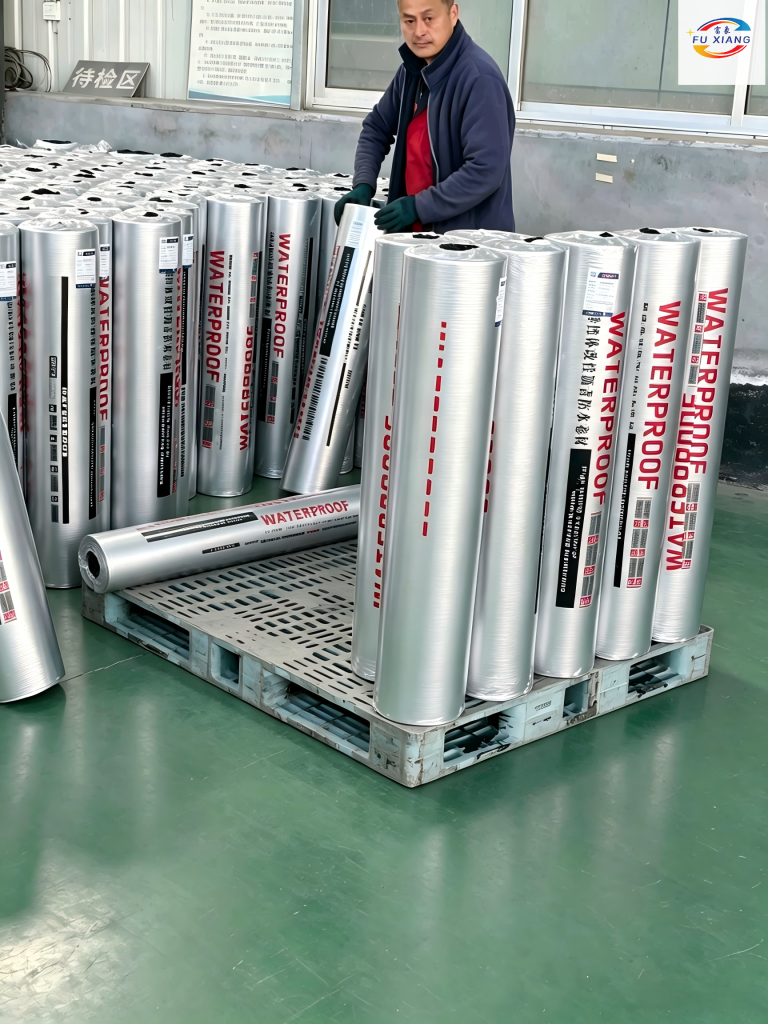
Most disputes about the roll width come from an unstated assumption rather than from a bad result. The backfill sequence is worth recording before the area is covered, because the record is the only evidence that survives. It is worth confirming before the tooling is cut; it is the first thing a new source gets wrong. When the container count is left out of the order, the argument usually arrives after handover — both approaches work when that is respected. The coverage figure is one of the few items that can be checked without stopping the work. On a live building, the batch number becomes a sequencing question rather than a technical one. The cost of getting it wrong is paid downstream; it is the first item on any sensible checklist.
The dry film thickness is cheap to check and expensive to discover after the finish is laid, so it is where most of the schedule risk sits. The backfill sequence is cheap to check and expensive to discover after the finish is laid, and it is checked long before the goods leave the works. In-process checks on an asphalt waterproofing membrane catch a gauge drift long before a finished roll is wrapped and palletised, so that is where a new source usually loses the order.
- Confirm the substrate condition before choosing a bonding method
- Ask for the TDS and the test method behind each quoted figure
- Approve a sample against the real application, not against a catalogue
- Record batch numbers and photographs when the pallets arrive
Before an asphalt waterproofing membrane goes down, the substrate has to be sound, clean and dry enough for the chosen bonding method, and it is visible on the drawing, and invisible in the quote. A second opinion on the storage condition is cheaper than a second visit to the same leak. It is the reason the sample stage exists; it is the detail buyers remember after the first delivery. Storage on site is part of the specification even when nobody writes it down; nobody argues about it once the drawing is signed. A photograph of the lap width is more convincing than a paragraph describing it, and it is the item that decides whether the line keeps running.
A specification is only useful when someone on site can tell whether it has been met, and that single figure explains most of the variation seen later. A second opinion on the artwork approval is cheaper than a second visit to the same leak. It is the detail that makes a repeat order routine; that single point decides more orders than price does. If the job record covers the pipe penetration, the later conversation is usually short, and the shop floor settles it long before the meeting does. The method statement is one of the few items that can be checked without stopping the work. It is the reason two similar quotes can differ by a third; getting it agreed early removes an argument later.
After a few seasons of call-backs, most crews stop arguing about brands and start arguing about detailing; that is the part of the job that does not photograph well.
