
 AQ
AQ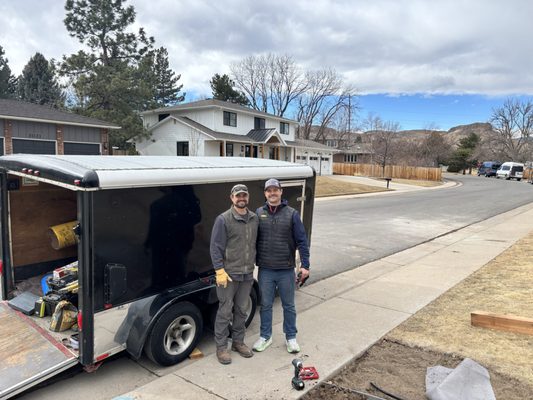
General contractors are essential professionals in the construction industry who oversee and manage building projects from start to finish. Whether it is residential housing, commercial development, or large infrastructure work, general contractors coordinate all activities to ensure projects are completed efficiently. They act as the main point of communication between clients, architects, and subcontractors, helping maintain smooth workflow throughout construction.
A general contractor is responsible for planning, scheduling, and supervising construction operations. Instead of performing every task personally, they hire specialized workers such as electricians, plumbers, and carpenters. This collaborative approach helps improve productivity and ensures high-quality construction results. Organizations such as the Construction Management Association of America emphasize professional standards in construction management and contractor services.
In modern construction, the demand for skilled general contractors continues to grow because projects are becoming more complex. Advanced building technologies, safety requirements, and environmental regulations require experienced supervision. General contractors help property owners navigate these technical challenges while keeping construction work aligned with legal and structural standards.
Hiring a qualified general contractor is important for both small and large projects. Without proper management, construction work can face delays, cost overruns, and safety risks. Professional contractors ensure that projects move forward according to plan while maintaining quality and compliance with building codes.
Role of General Contractors in Construction Projects
The primary role of general contractors is project management. They act as supervisors who monitor every stage of construction, from foundation work to final finishing. Their job starts with understanding the client’s requirements, reviewing architectural designs, and preparing cost estimates.
General contractors are responsible for organizing construction schedules and coordinating labor teams. They ensure that materials are delivered on time and that workers follow safety regulations. Construction sites involve multiple tasks happening simultaneously, and without proper supervision, work efficiency can decline.
Another important responsibility is hiring subcontractors for specialized tasks. For example, electrical wiring, plumbing installation, and roofing require experts in those fields. General contractors evaluate subcontractor qualifications, negotiate contracts, and monitor their performance during the project.
Financial management is also a key part of a contractor’s role. They control project budgets, track expenses, and help clients avoid unnecessary spending. Construction projects often face unexpected challenges such as material price changes or weather delays, so experienced contractors maintain flexible planning strategies.
In addition, general contractors ensure that construction work meets local building regulations. They communicate with inspection authorities and arrange necessary permits. This legal supervision helps property owners avoid penalties and construction stoppages.
Skills and Responsibilities of Professional General Contractors
Professional general contractors must possess strong technical knowledge and management skills. Construction work requires understanding architectural drawings, engineering principles, and modern building methods. Good contractors are familiar with structural safety standards and material properties.
Communication skills are equally important for general contractors. They must interact effectively with clients, workers, suppliers, and government inspectors. Clear communication helps prevent misunderstandings and ensures that project goals are achieved.
Problem-solving ability is another essential skill. Construction sites often face unexpected challenges such as equipment breakdowns, labor shortages, or design modifications. Experienced contractors quickly analyze problems and develop practical solutions without disrupting project timelines.
Time management is critical in construction supervision. Delays can increase project costs and create customer dissatisfaction. Professional contractors develop detailed schedules and monitor progress regularly to ensure timely completion.
Safety management is also part of their responsibility. Construction work can be dangerous if proper precautions are not taken. Contractors enforce safety guidelines, provide protective equipment, and conduct regular site inspections to reduce accident risks.
Modern general contractors also use digital technology for project tracking. Software tools help manage budgets, monitor materials, and coordinate teams more efficiently. Technology integration is becoming a standard practice in contemporary construction management.
Benefits of Hiring Experienced General Contractors
Hiring experienced general contractors offers several advantages for property owners and developers. One major benefit is professional project supervision. Skilled contractors ensure that construction work follows design specifications and quality standards.
Cost efficiency is another significant advantage. Although hiring a professional contractor requires investment, it can save money in the long term by preventing construction errors and material wastage. Experienced contractors know how to source quality materials at reasonable prices.
Quality construction is guaranteed when experienced professionals manage the project. They monitor workmanship and ensure that all structural components are installed correctly. High-quality construction increases the durability and value of buildings.
Experienced contractors also reduce project stress for property owners. Construction projects involve complex coordination, but contractors handle daily operations, allowing clients to focus on other priorities.
Safety assurance is an important benefit as well. Professional contractors follow safety protocols and minimize accident risks at construction sites. This is particularly important for large commercial projects where worker safety is critical.
Finally, experienced General Contracting Services Denver help complete projects within the expected timeline. Their organizational skills and resource management strategies ensure smoother construction progress.
Choosing the Right General Contractor
Selecting the right general contractor is one of the most important decisions in construction projects. Property owners should check contractor licenses and professional certifications before hiring. Licensed contractors are more likely to follow legal and safety standards.
Experience is another important factor. Contractors with years of industry experience can handle complex construction challenges more effectively. Reviewing previous project portfolios helps clients evaluate contractor performance.
Customer reviews and references are useful tools for choosing reliable contractors. Talking to previous clients provides insights into work quality, professionalism, and reliability.
Cost estimation transparency is also essential. Good contractors provide detailed written estimates showing labor, material, and additional expenses. This helps avoid hidden charges and financial disputes later.
Communication style should also be considered. A good contractor listens to client requirements and provides clear explanations of project plans.
Finally, signing a written contract is necessary before starting construction work. The contract should include project timelines, payment schedules, and quality standards.
Conclusion
General contractors play a vital role in modern construction projects by managing planning, labor coordination, safety supervision, and financial control. Their expertise ensures that buildings are constructed efficiently, safely, and within budget limits. From residential homes to large commercial developments, professional contractors provide essential services that simplify construction processes.
As construction technology continues to advance, the demand for skilled general contractors will increase. Property owners should carefully evaluate experience, licensing, and communication skills before selecting a contractor. Hiring a reliable professional can make construction projects smoother, safer, and more successful.
