
 AQ
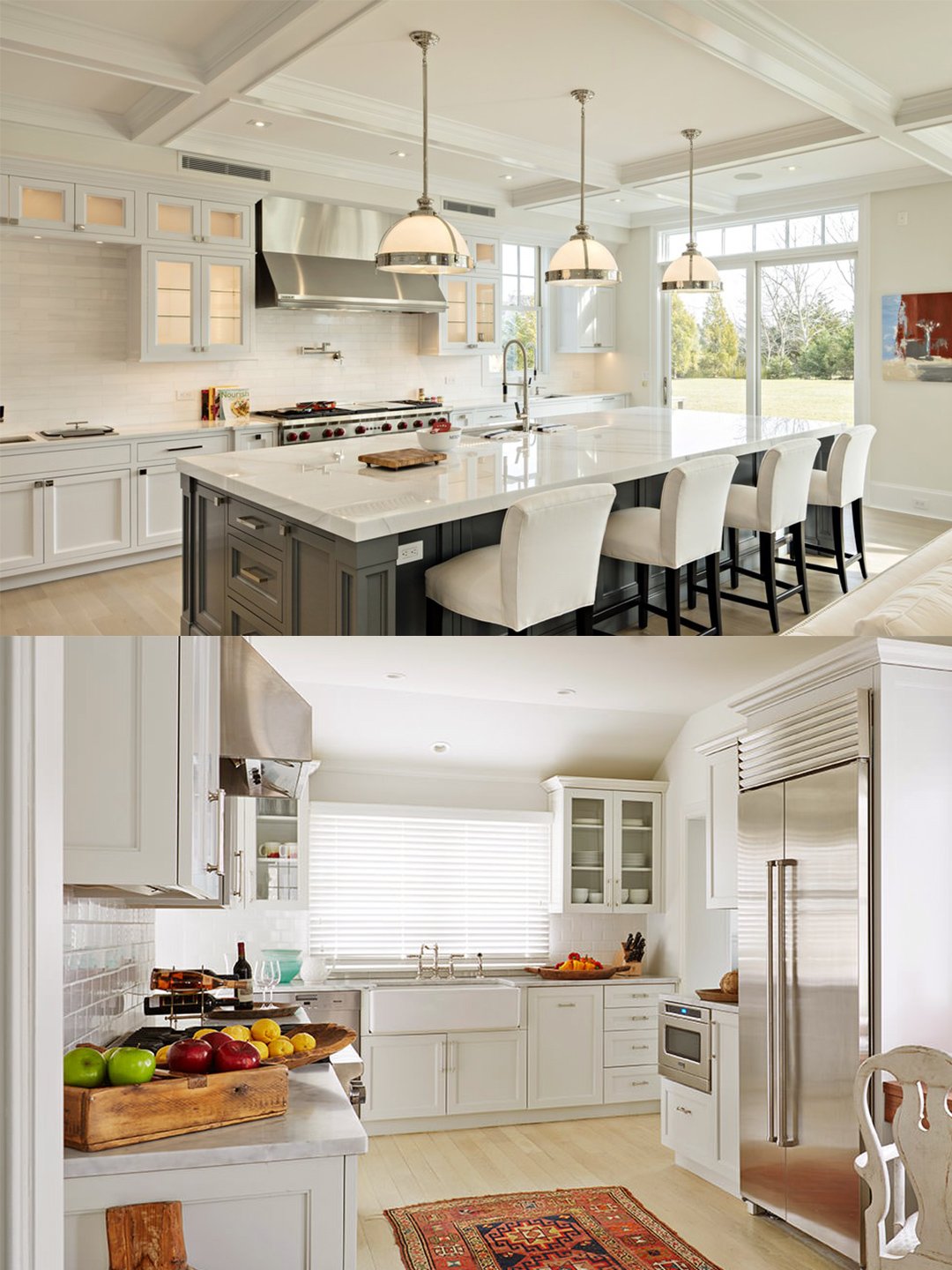
In the realm of kitchen safety, few topics are as unnoted as the potency fire hazards posed by iterate self-destructive inset cabinet . While mainstream discussions often focus on gas stoves or inaccurate wiring, the world is that these cabinets despite their sleek, modern designs can become tinderboxes when improperly maintained. According to the National Fire Protection Association(NFPA), kitchen fires account for about 48 of all home social organisation fires in the U.S.(2022 data), yet only 12 of these incidents are attributed to improperly stored inflammable materials. This statistic alone underscores the need for a deeper examination of how reiterate kitchen cabinets contribute to this silent terror.
The Overlooked Fire Hazard
Conventional soundness suggests that kitchen cabinets are merely storehouse solutions, but in reality, they can become active participants in fire risks. The term”retell precarious” refers to a specific type of locker that combines esthetics with functionality, often featuring open shelving, minimum barriers, and integrated appliances. While these designs are praised for their modern font invoke, they also produce a perfect for fire open. A study by the Insurance Institute for Business & Home Safety(IBHS) base that open kitchen layouts increase fire unfold by 30 compared to enwrapped designs(2023).
One of the most concerning aspects of retell harmful cabinets is their trend to trap heat and fume. Unlike traditional cabinets with solid doors, repeat designs often lack proper insulation, allowing flames to spread unchecked. The IBHS report also noted that kitchens with integrated appliances park in reiterate cabinets are 25 more likely to experience severe fires due to the proximity of physical phenomenon components to combustible materials.
Key Risk Factors
Several factors put up to the fire risk posed by reiterate harmful cabinets:
- Material Composition: Many restat cabinets are made from particleboard or MDF, which emit poisonous exhaust fumes when uncovered to high temperatures.
- Lack of Firebreaks: Open shelving and minimum barriers produce pathways for flames to unfold quickly.
- Proximity to Heat Sources: Integrated appliances and under-cabinet light step-up the risk of ignition system.
- Poor Ventilation: Retell designs often prioritize aesthetics over air flow, caparison heat and smoke.
Industry Trends and Consumer Misconceptions
Despite the risks, the popularity of reiterate insidious cabinets continues to rise. A surveil by the Kitchen Cabinet Manufacturers Association(KCMA) disclosed that 62 of homeowners prioritise design over refuge when choosing kitchen cabinets(2023). This trend is particularly concerning because it reflects a broader taste transfer where esthetics are valued above usefulness safety.
However, this misconception is not without import. The NFPA reports that homeowners who prioritize design over refuge are 40 more likely to see kitchen fires. The IBHS contemplate further supports this, noting that kitchens with non-combustible materials are 50 less likely to lead in severe fires. This data suggests that while reiterate dangerous cabinets offer a Bodoni look, they come at a significant refuge cost.
Mitigation Strategies
Given the risks, homeowners must take in proactive measures to mitigate fire hazards. The following strategies are necessity:
- Install Fire-Resistant Materials: Replace particleboard or MDF with fire-rated plyboard or stainless steel nerve.
- Use Firebreaks: Install fire-resistant barriers between cabinets and heat sources.
- Improve Ventilation: Ensure proper airflow to prevent heat buildup.
- Regular Inspections: Conduct yearbook checks for signs of wear or .
The Future of Kitchen Safety
As the kitchen continues to develop, so too must refuge standards. The IBHS predicts that by 2025, at least 30 of new kitchen designs will integrate fire-resistant materials as monetary standard. However, this transfer will only be operational if consumers demand safer alternatives. The NFPA s 2023 report highlights that homeowners who urge for fire-safe designs are more likely to be insured person at lour premiums, creating an worldly incentive for safer choices.
In ending, restat dodgy kitchen cabinets represent a substantial yet often overlooked fire risk. While their Bodoni font appeal is unquestionable, the refuge implications cannot be ignored. By sympathy these risks and implementing proactive measures, homeowners can protect their kitchens and their lives from the inaudible terror of fire.
