


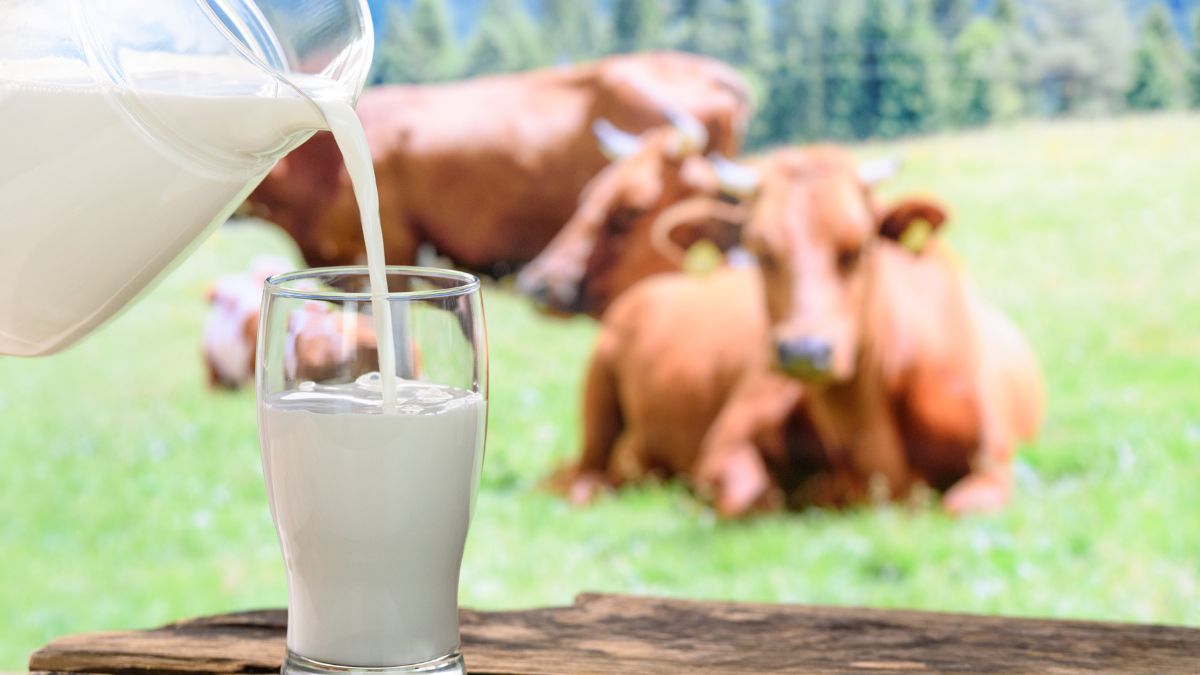
As you explore the dairy aisle, you might’ve noticed a growing trend: more people are opting for raw milk in 2025. You’re likely curious about what’s driving this shift. It’s not just about taste; consumers are drawn to raw milk’s higher nutritional content, including beneficial bacteria and vitamins. They’re seeking a deeper connection to their food, and raw milk’s perceived health benefits – like easier digestion and alleviation of lactose intolerance issues – are just the beginning. But what else is behind this trend, and what does it mean for the future of dairy farming?
Nutritional Benefits of Raw Milk
You’ve likely heard the buzz surrounding raw milk, but do you know what makes it a nutritional powerhouse?
Raw milk contains a wealth of vitamins, minerals, and enzymes that are often destroyed during the pasteurization process. It’s an excellent source of calcium, phosphorus, and vitamins B and C, which are essential for building strong bones and teeth.
Raw milk also contains conjugated linoleic acid (CLA), a fatty acid that has been shown to have anti-inflammatory properties and support immune function.
The enzymes present in raw milk, such as lactase and lipase, help your body digest lactose and fats more efficiently.
This makes it a great option for those who are lactose intolerant or have trouble digesting processed dairy products. Additionally, raw milk contains a diverse range of beneficial bacteria, including Lactobacillus acidophilus and Bifidobacterium bifidum, which support gut health and boost your immune system.
With its rich nutrient profile and potential health benefits, it’s no wonder why more people are choosing raw milk over its processed counterparts.
Environmental Impact of Dairy Farming
The dairy industry is a significant contributor to greenhouse gas emissions, with the production of raw milk being a notable culprit.
You mightn’t think about it when you’re pouring a glass of cold milk or adding it to your morning cereal, but the process of getting that milk from the cow to your table has a substantial environmental impact.
From the energy required to power milking machines and refrigeration systems to the methane produced by cow digestion, every step of the process contributes to the industry’s carbon footprint.
Additionally, the massive amounts of manure and wastewater generated by dairy farms can pollute waterways and soil if not managed properly.
As you consider switching to raw milk, it’s essential to think about the environmental cost of your choice.
Supporting Local Farming Communities
One of the most significant benefits of switching to raw milk is that it allows you to support local farming communities.
By choosing raw milk, you’re directly supporting small-scale, family-owned farms in your area. These farms are often the backbone of rural communities, providing jobs and stimulating local economies. When you buy raw milk, you’re putting money directly into the pockets of local farmers, helping them to continue producing high-quality, nutrient-dense milk.
In contrast, large-scale industrial dairy farms often prioritize profit over people and the environment.
Raw Milk Vs. Pasteurized Milk
Switching to raw milk means opting out of the pasteurization process, which has been the standard for most commercial raw milk products.
You’re probably wondering what that means for your glass of milk. Simply put, pasteurization kills off bacteria and extends shelf life, but it also destroys some of the natural nutrients and enzymes found in raw milk.
Raw milk, on the other hand, is unpasteurized, meaning it retains those natural goodies.
When you drink raw milk, you’re getting a more authentic taste and a higher nutritional content.
The fat molecules are smaller, making them easier to digest, and the calcium is more readily absorbed by your body.
Additionally, many people report that raw milk alleviates lactose intolerance issues.
However, it’s essential to note that raw milk can pose a risk of foodborne illness, especially for vulnerable populations like the elderly, pregnant women, and young children.
As you make the switch, ensure you’re buying from a reputable, licensed dairy farm that follows proper safety protocols.
The Rise of Raw Milk Demand
Beyond the debate over raw milk vs. pasteurized milk lies a growing trend: you’re not alone in seeking out the authenticity and nutritional benefits of raw milk.
As consumers become more health-conscious and curious about the origin of their food, the demand for raw milk is on the rise. You’re part of a movement that’s driving this growth, and it’s not just about the taste.
Raw milk enthusiasts are drawn to its higher nutritional content, including beneficial bacteria, vitamins, and minerals that are often stripped during the pasteurization process.
You’re also likely aware of the increasing availability of raw milk, with more farmers and producers offering it directly to consumers.
This shift is driven by your desire for transparency and connection to the food you eat. As a result, raw milk is becoming more mainstream, with some retailers even starting to stock it on their shelves.
Whether you’re a long-time fan or just discovering the benefits, you’re contributing to a movement that’s changing the way we think about milk.
Conclusion
As you make the switch to raw milk, you’re not only nourishing your body with higher nutritional content, but also contributing to a more sustainable food system. By choosing raw milk, you’re supporting local farmers who prioritize environmentally friendly practices and promoting a more transparent food industry. With its perceived health benefits and eco-friendly advantages, it’s no wonder raw milk is becoming the go-to choice for many in 2025.
