


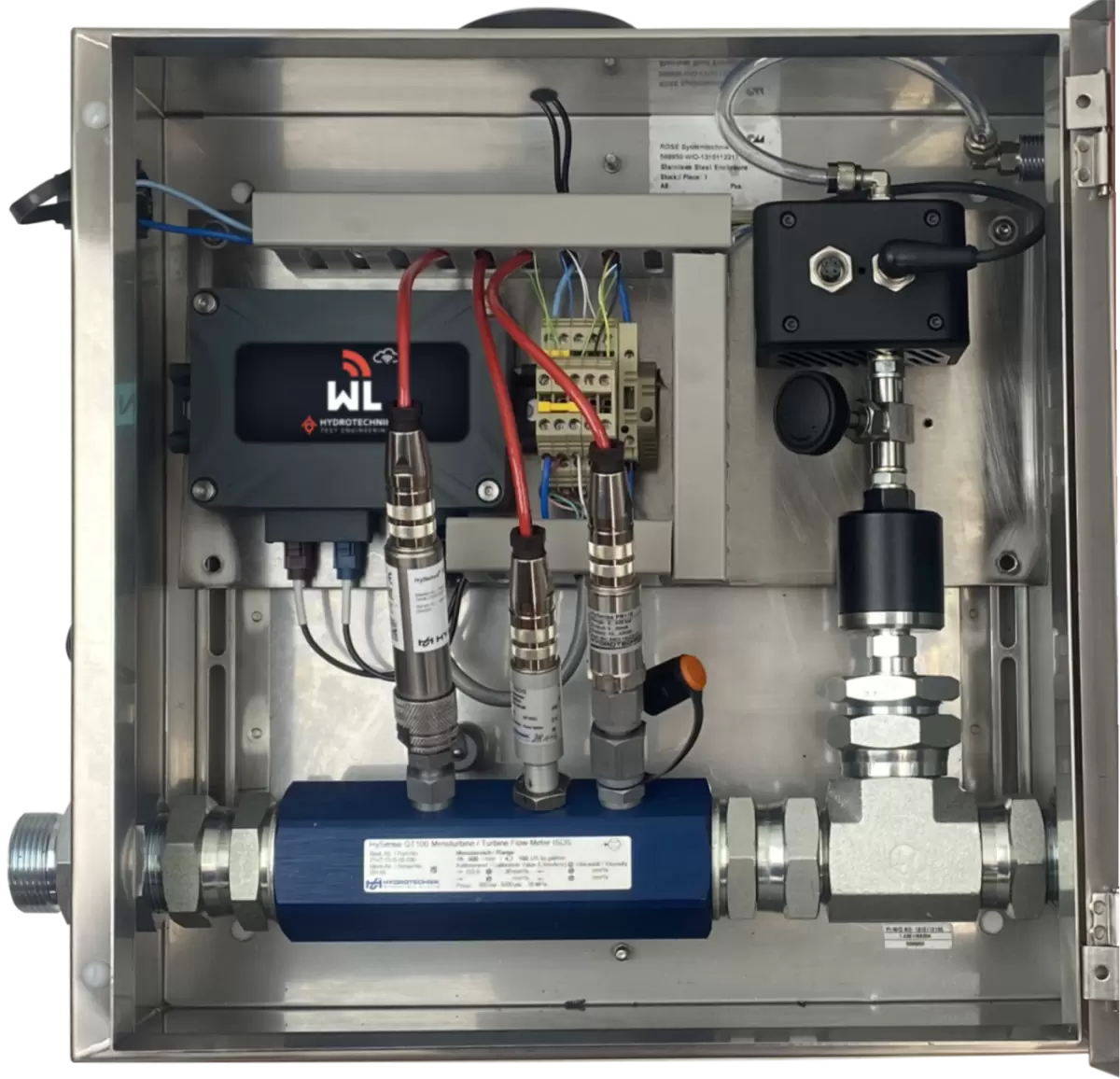
As you oversee your hydraulic equipment operations, you can’t help but wonder: are you doing enough to ensure the safety of your operators and the environment? The truth is, traditional methods of equipment monitoring can be reactive, leaving you scrambling to respond to issues after they’ve already occurred. But what if you could stay one step ahead of potential problems? With remote monitoring, you can. By providing real-time data on equipment performance, you’ll be able to detect potential issues before they become major safety hazards. But that’s just the beginning – you’re about to discover a whole new level of safety and efficiency.
Real-time Data for Proactive Maintenance
Since hydraulic equipment is critical to your operations, you need to stay on top of its performance to prevent unexpected downtime.
With remote monitoring, you can collect real-time data on your equipment’s performance, allowing you to identify potential issues before they become major problems.
This data provides valuable insights into your equipment’s operating conditions, enabling you to make informed decisions about maintenance and repairs.
Early Detection of Potential Failures
Your hydraulic equipment’s performance data, collected through remote monitoring, provides a window into its inner workings, allowing you to detect potential failures early.
This real-time insight enables you to identify anomalies and trends that may indicate an impending issue. By catching these warning signs, you can take corrective action before they escalate into major problems.
For instance, unusual pressure or temperature readings can signal a potential seal failure or fluid leakage. Remote monitoring software can alert you to these deviations, allowing you to schedule maintenance or repairs before the issue causes downtime or damage.
This proactive approach saves you time, money, and resources in the long run. Moreover, it helps you maintain a safe working environment by reducing the risk of equipment failure, which can lead to accidents or injuries.
Reduced Risk of Catastrophic Events
By keeping a close eye on your hydraulic equipment’s performance through remote monitoring, you can significantly reduce the risk of catastrophic events.
You’ll be able to identify potential issues before they escalate into major problems, which can save you from costly repairs, downtime, and even accidents. With real-time data at your fingertips, you can respond quickly to anomalies and take corrective action to prevent 油圧装置の遠隔監視 failure.
Catastrophic events can have devastating consequences, including damage to equipment, injury to personnel, and environmental harm.
Remote monitoring helps you stay one step ahead of these risks by providing continuous monitoring and alerts when something goes wrong. You’ll receive notifications when performance thresholds are exceeded, allowing you to take prompt action to address the issue.
Improved Maintenance Scheduling Efficiency
Nearly 50% of hydraulic equipment failures are preventable, and remote monitoring can help you identify maintenance needs before they become major issues.
By tracking equipment performance in real-time, you can spot potential problems before they cause downtime or even failure. This enables you to schedule maintenance during planned downtime, minimizing production losses and reducing maintenance costs.
Remote monitoring also helps you prioritize maintenance tasks more efficiently. With real-time data, you can focus on the most critical issues first, ensuring that the most important equipment is serviced promptly.
This reduces the likelihood of unexpected failures and helps you allocate resources more effectively. Additionally, remote monitoring provides historical data, allowing you to identify trends and patterns that can inform your maintenance strategy.
Enhanced Safety for Operators
One in every five hydraulic equipment failures results in operator injury or death. You can’t afford to take safety lightly when working with hydraulic systems.
Remote monitoring helps you minimize the risk of accidents by providing real-time data on equipment performance. You’ll receive alerts and notifications when there’s an issue, allowing you to take prompt action to prevent a potential disaster.
With remote monitoring, you can identify potential safety hazards before they become major problems.
For instance, if a sensor detects overheating or excessive pressure, you can shut down the equipment immediately, preventing a catastrophic failure. This proactive approach ensures you’re not caught off guard by a sudden equipment failure, giving you the time to respond and prevent accidents.
Moreover, remote monitoring enables you to track operator behavior and identify areas that require additional training or supervision.
Conclusion
You’ve seen how remote monitoring can be a game-changer for hydraulic equipment safety. By providing real-time data, detecting potential failures early, and reducing the risk of catastrophic events, remote monitoring ensures a safe working environment. It also optimizes maintenance scheduling and improves safety for operators. With remote monitoring, you can rest assured that your equipment is running smoothly and safely, minimizing the risk of accidents and environmental harm.
