


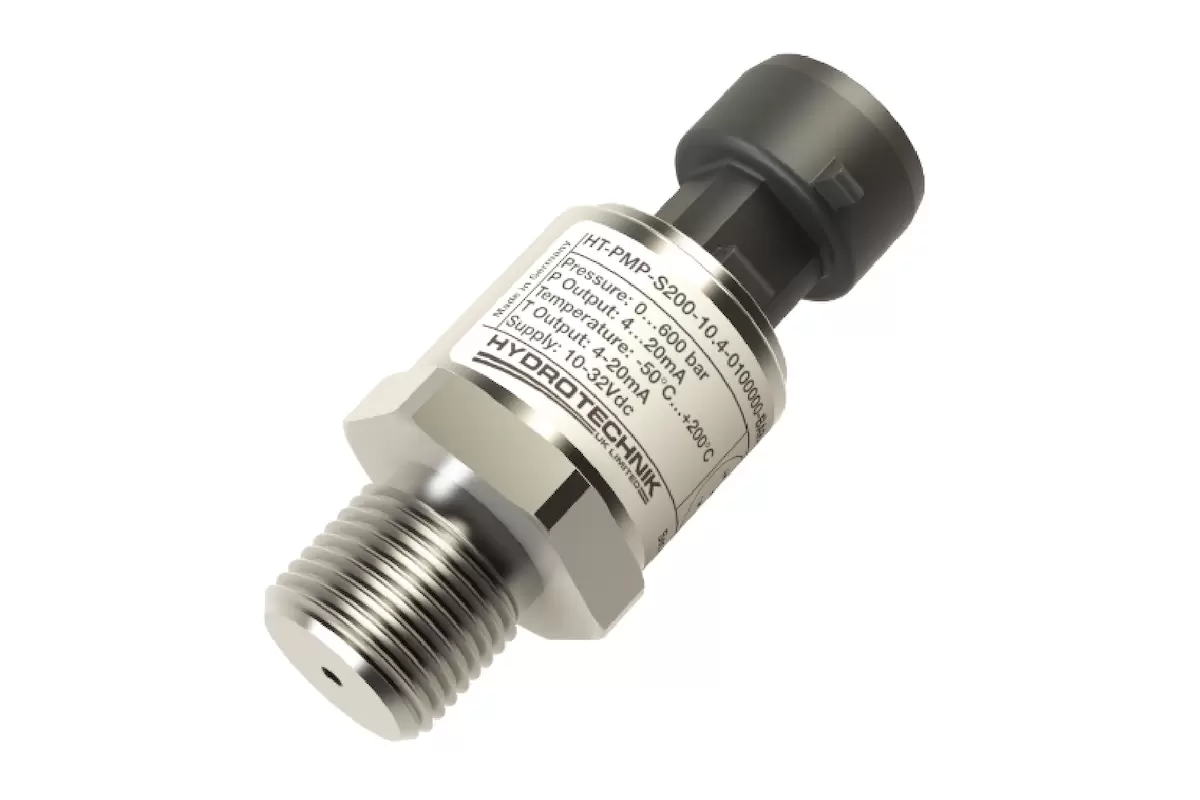
When it comes to measuring pressure in industrial and automotive applications, you’re likely familiar with conventional pressure sensors. But what about hydrogen pressure sensors? These specialized devices are designed to withstand the unique properties of hydrogen, which can be notoriously tricky to work with. You might assume that conventional pressure sensors can handle the job, but that’s not always the case. In fact, using the wrong sensor can lead to inaccurate readings or even damage to the sensor itself. So, what sets hydrogen pressure sensors apart, and why are they essential for certain applications?
Design and Material Differences
When it comes to hydrogen pressure sensors, design and material differences play a critical role in ensuring accurate and reliable measurements.
You’ll notice that hydrogen pressure sensors are designed with specialized materials that can withstand the unique properties of hydrogen gas. For instance, the diaphragm material is typically made of a hydrogen-permeable material, such as stainless steel or Inconel, which allows for accurate pressure measurement while minimizing hydrogen absorption.
In contrast, conventional pressure sensors may not be designed with these specific materials, which can lead to inaccurate readings or sensor damage.
You’ll also find that hydrogen pressure sensors often feature a specialized sensing element, such as a piezoresistive or capacitive sensor, that’s optimized for hydrogen detection. These design differences are critical, as they enable the sensor to accurately detect the subtle changes in pressure that occur when working with hydrogen.
Hydrogen Compatibility and Safety
Hydrogen’s unique properties demand that your pressure sensor is compatible with this highly reactive gas, and safety considerations are paramount to prevent accidents and ensure reliable operation.
You can’t afford to overlook the risks associated with hydrogen exposure, such as embrittlement, leakage, and explosive combustion. Your pressure sensor must be designed to withstand these hazards and provide accurate readings in hydrogen-rich environments.
When selecting a hydrogen pressure sensor, look for certifications like EC79 or IEEE 34, which guarantee the device’s safety and performance in hydrogen applications.
Ensure the sensor’s materials are compatible with hydrogen, and it’s designed with features like leak-tight construction, explosion-proof enclosures, and intrinsic safety. You should also consider the sensor’s electrical safety, as any spark or electrical discharge can ignite hydrogen.
Performance Under Extreme Conditions
Reliability is crucial in extreme environments where pressure sensors are pushed to their limits. You need sensors that can withstand harsh temperatures, vibrations, and corrosive substances.
Hydrogen pressure sensors are specifically designed to operate in these conditions, whereas conventional 水素用圧力センサー sensors may struggle. For instance, hydrogen sensors can function in temperatures ranging from -40°C to 125°C, making them suitable for industrial and automotive applications.
In contrast, conventional pressure sensors may have limited temperature ranges, making them less reliable in extreme environments. Additionally, hydrogen sensors are designed to resist corrosion from hydrogen gas and other aggressive media, ensuring their performance remains consistent even in harsh environments.
When you’re working in extreme conditions, you can’t afford to have sensors that fail or provide inaccurate readings. Hydrogen pressure sensors offer the reliability and durability you need to ensure your operations run smoothly and safely. By choosing the right sensor for the job, you can minimize downtime, reduce maintenance costs, and improve overall efficiency.
Accuracy and Calibration Requirements
In high-stakes applications, precise pressure readings are paramount, and hydrogen pressure sensors must deliver accurate data to ensure safe and efficient operations.
You can’t afford to compromise on accuracy when working with hydrogen, as even slight variations can lead to catastrophic consequences. Hydrogen pressure sensors are designed to provide precise readings, often with an accuracy of ±0.1% to ±1.0% of the full scale.
This level of accuracy is significantly higher than conventional pressure sensors, which typically offer ±2.0% to ±5.0% accuracy.
Calibration requirements also differ significantly between hydrogen pressure sensors and conventional pressure sensors.
Hydrogen pressure sensors often require more frequent calibration due to their high sensitivity and the potential for drift over time. You’ll need to calibrate these sensors every 6-12 months, depending on the specific application and usage.
In contrast, conventional pressure sensors may only require calibration every 1-2 years. This increased calibration frequency ensures that hydrogen pressure sensors maintain their high level of accuracy, providing you with reliable data to make informed decisions.
Industry Applications and Use Cases
Frequently, hydrogen pressure sensors find themselves at the heart of various industrial applications where precise pressure monitoring is crucial.
You’ll often find them in fuel cell systems, where they ensure safe and efficient operation by monitoring hydrogen pressure. In electrolyzers, they play a critical role in controlling the hydrogen generation process. Hydrogen pressure sensors are also used in industrial gas processing and transmission, where they help maintain pipeline integrity and prevent leakage.
In addition, you may find hydrogen pressure sensors in chemical processing, power generation, and oil refining applications.
They’re essential in these industries because they can detect even slight changes in pressure, which helps prevent accidents and ensures compliance with safety regulations. Furthermore, hydrogen pressure sensors are used in research and development, particularly in the development of new energy storage technologies.
As you explore different industrial applications, you’ll likely come across hydrogen pressure sensors playing a vital role in ensuring the safe and efficient operation of various systems.
Conclusion
You’ve learned the key differences between hydrogen pressure sensors and conventional pressure sensors. Now, it’s clear that hydrogen pressure sensors are a must-have for industrial and automotive applications where accuracy and reliability are crucial. Their specialized designs, materials, and performance capabilities ensure they can withstand hydrogen’s unique properties, providing precise readings even in extreme conditions.
