


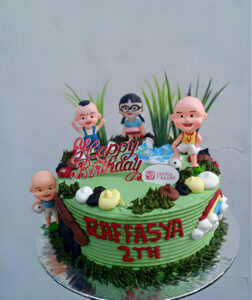
The world of baking has evolved tremendously in recent years. No longer is a cake just a dessert—it has become an expression of creativity, personality, and celebration. If you have a passion for baking, the idea to sell custom cake can be both profitable and personally fulfilling. However, entering this niche market requires more than just baking skills; it involves understanding your customers, marketing effectively, and creating cakes that leave a lasting impression.
Understanding the Market for Custom Cakes
Before you start your journey to sell custom cake, it is crucial to understand the demand. People often seek custom cakes for birthdays, weddings, baby showers, corporate events, and special occasions. These cakes are more than just desserts—they represent moments and memories. The market for personalized cakes is growing because people are increasingly looking for unique, tailor-made creations rather than standard, store-bought options.
Knowing your target audience is key. Are you targeting parents for children’s birthday cakes, couples planning weddings, or corporate clients for events and promotions? Each segment has its preferences and price points. For instance, wedding cakes typically demand intricate designs and higher pricing, whereas birthday cakes may focus on fun and theme-based designs.
Planning Your Custom Cake Business
Starting to sell custom cake begins with careful planning. Here are the essential steps:
-
Develop Your Skills: While passion is important, precision is essential. Master cake decorating techniques such as fondant work, sugar flowers, buttercream art, and chocolate molding. The better your skills, the more satisfied your clients will be.
-
Choose a Niche: Specializing can set you apart. For example, you might focus on luxury wedding cakes, themed children’s cakes, vegan or gluten-free options, or even edible 3D sculptures. A niche helps target your marketing and become an expert in a specific area.
-
Create a Menu and Pricing: Offering a clear menu with prices helps customers understand what to expect. While pricing can vary depending on ingredients, design complexity, and size, ensure your rates reflect your skill level and business costs. Remember to account for labor, ingredients, and overhead.
-
Register Your Business: Make your business official by registering it with local authorities. Obtain any necessary food handling permits and comply with health and safety regulations. Operating legally not only protects you but also builds trust with clients.
Marketing Strategies to Sell Custom Cake
Marketing plays a critical role in turning your passion into a profitable venture. Here’s how you can effectively reach potential clients:
-
Social Media Presence: Platforms like Instagram, Facebook, TikTok, and Pinterest are perfect for showcasing your creations. Post high-quality images of your cakes, behind-the-scenes videos of your baking process, and customer testimonials. Engaging content attracts followers and potential buyers.
-
Website and Online Ordering: A professional website can serve as your portfolio, with galleries, pricing details, and an easy way for clients to place orders. Include a blog with tips on cake decoration, party planning, or baking trends to increase engagement.
-
Networking and Collaborations: Partner with event planners, party supply stores, and wedding venues. Networking with local vendors can bring in consistent referrals. Participating in local fairs and food events is also a great way to showcase your skills.
-
Customer Reviews: Positive reviews and word-of-mouth recommendations are invaluable. Encourage satisfied clients to share photos and testimonials on social media or your website.
Crafting the Perfect Custom Cake
When customers come to you to sell custom cake, they expect something unique and memorable. Here’s how to deliver:
-
Consultation: Start with a detailed discussion about the client’s vision. Understand their theme, preferred flavors, color schemes, and budget. The more you listen, the better you can translate their ideas into a cake.
-
Sketch and Plan: Before baking, create a sketch or mock-up. This allows you to refine the design and avoid last-minute surprises. Some bakers even create miniature models of the cake using fondant to visualize the final product.
-
Quality Ingredients: Use high-quality ingredients to ensure taste matches the visual appeal. Fresh, organic, or specialty ingredients can elevate your cakes, making them stand out in a competitive market.
-
Attention to Detail: Every element, from smooth fondant to delicate piping, matters. Customers remember the small touches, whether it’s edible flowers, intricate patterns, or personalized toppers.
Pricing Your Custom Cakes
Pricing is a delicate balance between profitability and client satisfaction. Consider these factors:
-
Ingredients Cost: Factor in premium ingredients, such as organic butter or specialty chocolate.
-
Labor: Account for the hours spent baking, decorating, and consulting.
-
Complexity: Detailed designs require more time and skill, which should be reflected in the price.
-
Delivery and Packaging: If you provide delivery, include the cost of transportation and protective packaging.
A transparent pricing structure builds trust and ensures clients feel they are getting value for their investment.
Expanding Your Custom Cake Business
Once you establish a reputation for quality, you can explore additional revenue streams:
-
Cake Classes: Teaching others to bake and decorate cakes can be both profitable and a way to showcase your expertise.
-
Seasonal Offerings: Special holiday-themed cakes or limited-edition designs can attract more customers.
-
Merchandising: Branded cake toppers, baking kits, or recipe books can diversify your business.
Tips for Success
To truly excel when you sell custom cake, keep these tips in mind:
-
Stay Inspired: Trends change, so continuously experiment with new flavors, textures, and designs.
-
Deliver Consistency: Your reputation depends on reliability. Ensure every cake meets the same high standards.
-
Listen to Clients: Custom cakes are personal. Understanding client expectations will lead to repeat business.
-
Invest in Equipment: High-quality baking and decorating tools make a significant difference in your final product.
Conclusion
The Toko Kue Tangerang business combines artistry with entrepreneurship. By mastering baking skills, understanding your audience, and implementing effective marketing strategies, you can turn your passion into a profitable venture. Whether it’s a whimsical birthday cake, a luxurious wedding centerpiece, or a themed corporate cake, each creation has the potential to delight and impress. To sell custom cake successfully, focus on quality, personalization, and building strong relationships with your clients. With dedication and creativity, your cakes can become more than desserts—they can become cherished memories for your customers.
